Best Matcha in New Zealand: A 2026 Buyer's Guide
There's a lot of matcha in New Zealand now, and a big range in quality. Some of it is superb. Some of it is dull, bitter green powder or in some cases, is more sugar and other fillers than actual matcha - check your ingredients!
We've been importing Japanese matcha since 2016, so we taste a lot of it. This guide is how we judge it — the same things we look for before we'll put our name on a tin. Use it to choose well, whether you buy from us or from another brand.
Here's the short version: good matcha is a vivid jade green, smells sweet and fresh, feels like silk between your fingers, and tells you exactly where and when it was grown. If a matcha can't tell you those things, be cautious.
What makes matcha "good"? Six things to check
1. Colour
Quality matcha is a bright, vivid jade green. That green comes from chlorophyll, which builds up when the tea plants are shaded for a few weeks before harvest. Dull, yellowish or olive-toned powder usually means lower-grade leaves, older tea, or no shading. Colour is the fastest signal you have.
2. Smell and Taste
Fresh, high-grade matcha smells sweet and grassy — almost like fresh-cut grass with a savoury note underneath. On the palate it's smooth, with natural sweetness and umami, and very little bitterness. Harsh astringency or a flat, hay-like flavour is a sign of a lower grade or tired tea.
3. Texture
Run it between your fingers. Great matcha is incredibly fine — like silk or talcum powder — because the leaves are stone-milled slowly. A gritty or coarse texture means a faster, cheaper grind, and it won't whisk up as smoothly.
4. Grade
"Ceremonial," "latte" and "culinary" aren't strictly regulated terms, but they're a useful shorthand for how the tea is meant to be used. The key thing: match the grade to how you'll drink it, so you're not overpaying — or underwhelmed.
5. Origin and Harvest
The best matcha is single-origin and tells you the region and the harvest. Japan's famous matcha regions include - our favourite, Yame, Kyushu Island, Uji (Kyoto), Kagoshima and Shizuoka. First harvest (also called first flush or ichibancha), picked in spring, gives the sweetest, smoothest, most prized matcha. Later harvests are more robust and usually go into culinary grades. If a product won't tell you where or when it was grown, that's worth noticing.
6. Freshness and Certification
Matcha is delicate. Once it's milled it starts losing colour and flavour, so freshness matters enormously. Look for sellers who import in small, regular batches rather than bulk-buying once a year, and who package in resealable, light-blocking tins or pouches. If organic matters to you, look for JAS certification (Japanese Agricultural Standard) — the Japanese organic standard.
The Matcha Grades, Explained
This is the question we get most: which grade should I actually buy? Here's how we think about it.
Ceremonial grade — for drinking pure
Made from the youngest, most tender first-harvest leaves. It's smooth, naturally sweet and balanced, with no harshness — designed to be enjoyed traditionally with just hot water, where there's nothing to hide behind. If you want to sip matcha on its own, buy ceremonial. It's also lovely in a latte if you want the very best.
Latte (premium) Grade — for matcha lattes
Shade-grown, first-harvest leaves selected to stand up to milk. A good latte-grade matcha keeps its vivid colour and sweet, mellow flavour when you add oat, soy, coconut or dairy — so it doesn't get lost. If your daily ritual is an iced or hot matcha latte, this is the sweet spot for quality and value.
Culinary Grade — for baking and cooking
A bolder, more robust matcha made to hold its colour and flavour through baking, smoothies and cooking. You don't want to whisk it and sip it neat, but it's exactly right for matcha cookies, cakes, icing and smoothies — and it's the best value per gram.
Quick rule of thumb: drinking it straight → ceremonial. Daily latte → latte grade. Baking and blending → culinary.
How much should good matcha cost in NZ?
You're paying for leaf quality, shading time, a slow stone grind, freshness and real single-origin sourcing — and good matcha is genuinely more expensive to produce. As a rough guide in New Zealand, expect to pay more for first-harvest ceremonial grade, less for latte grade, and least for culinary. Very cheap "ceremonial" matcha is usually a sign that one of those costs has been cut. That said, the most expensive option isn't automatically the best for you — a great latte-grade matcha will make a better daily latte than a ceremonial one you're afraid to use up. And remember, you get what you pay for - we've seen another brand with a large size tin - 300g - for a cheap price - but the very first ingredient was sugar - sugar is cheap! We recommend buying pure matcha and then adding your own sweetness to your liking.
Our Matcha Range
We import superior Japanese matcha in small batches, monthly, so what reaches you is fresh. Everything below is organic and single-origin. These are our picks by use:
- Organic Ceremonial Grade Matcha — first-harvest, smooth and naturally sweet with no bitterness. Our pick for drinking matcha traditionally.
- Chiran Superior Matcha — a limited-reserve, single-origin ceremonial matcha from the Chiran region of Kagoshima, grown in volcanic, mineral-rich soil. For when you want something special.
- Organic Premium Latte Grade Matcha — shade-grown and made for lattes; keeps its colour and sweetness with any milk. Our most popular daily matcha.
- Organic Culinary Grade Matcha — bold and vivid, made for baking, smoothies and cooking.
- Organic Hojicha Powder — roasted Japanese green tea with cocoa and caramel notes and very little caffeine. Lovely later in the day and delicious hot or iced.
- Organic Japanese Sencha — first-harvest loose-leaf green tea from Kumamoto, if you'd rather brew than whisk.
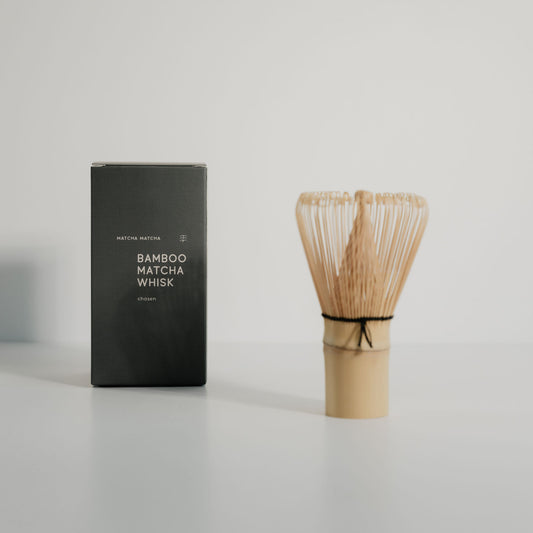
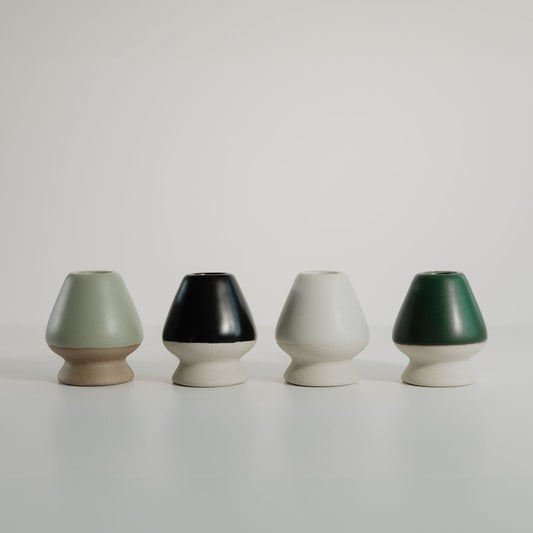
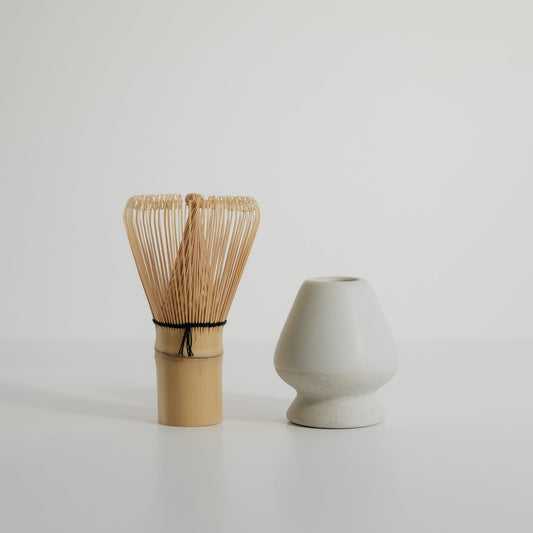
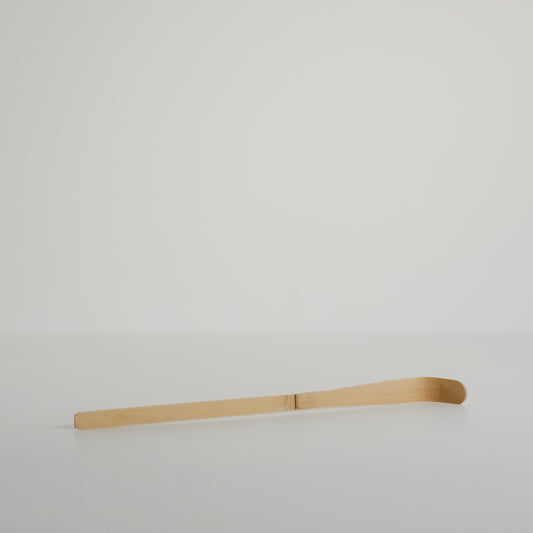
New to matcha? Our Matcha Essentials Set pairs your choice of matcha with the tools to make it properly.
Frequently asked questions
What is the best matcha to buy in New Zealand?
The best matcha for you depends on how you'll drink it. For sipping matcha on its own, choose a first-harvest Ceremonial Grade, or our limited edition - Chiran Superior Matcha. For a daily matcha latte, a Premium Latte Grade gives you the best balance of quality and value. For baking, choose Culinary Grade. Across all three, look for vivid jade-green colour, a fine silky texture, single-origin Japanese leaves, and a seller who imports fresh in small batches.
How can I tell if matcha is good quality?
Check the colour (vivid jade green, not dull or yellowish), the smell (sweet and fresh), the texture (fine and silky, not gritty), and the taste (smooth with natural sweetness and umami, not harshly bitter). Good matcha will also tell you its origin, harvest and grade.
Is ceremonial grade matcha worth it?
If you drink your matcha pure — whisked with just hot water — yes. Ceremonial grade is made from the youngest leaves and is smooth and sweet enough to enjoy with nothing added. If you mostly make lattes, a quality latte grade will serve you better day to day, and cost less.
How much caffeine is in matcha?
Matcha contains caffeine, but it's paired with L-theanine, an amino acid associated with a calmer, more sustained kind of focus than coffee — which is why many people find matcha energising without the jitters. If you want a low-caffeine option, hojicha (roasted green tea) has had most of its caffeine roasted out and is a good choice later in the day.
Is matcha good for you?
Matcha is rich in antioxidants — particularly catechins such as EGCG — and the amino acid L-theanine. People drink it for steady energy and focus as part of a daily ritual. As with any food, it's one part of an overall balanced diet, not a cure-all.
How should I store matcha?
Keep it sealed, away from light, heat, air and moisture, and use it within a few weeks of opening for the best colour and flavour. A resealable tin or pouch kept in a cool, dark cupboard is ideal. You can refrigerate it, but let it come to room temperature before opening to avoid condensation.
What does "organic" matcha mean?
It means the tea was grown without synthetic pesticides or fertilisers, to a recognised standard. For Japanese matcha, look for JAS certification (the Japanese Agricultural Standard for organic).